
PRISON'S LIFE IN ASINARA

Asinara played a central role in Italy’s prison history, serving for over a century as one of the country’s most isolated and strict penitentiaries. Initially used as a prisoner-of-war camp and later as a maximum-security prison, the island housed both common criminals and notorious mafia members, becoming a symbol of isolation and discipline. Today, the remains of the prison facilities can be visited, offering an authentic glimpse into prison life on Asinara, with bare cells, austere environments, and historical traces of a complex and captivating past.
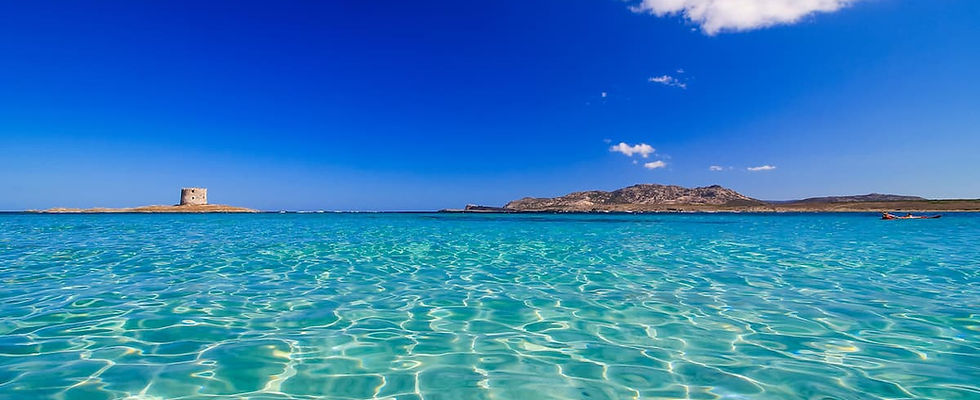
Geografia:
Comprendere la Conformazione dell'Isola
Reading and listening to the stories about the Asinara prisons, one feels projected into a film, where an imaginary screenwriter with bipolar disorder decides to put hell in heaven.
On the one hand we have the prison guards, men of the state who sacrificed their existence, together with that of their families, on an island difficult to reach, disconnected from the rest of the world. And then, to think about it, with what tranquility you could work, when there were excellent guests in the house like Totò Riina who had just slaughtered both Giovanni Falcone in Capaci, and Paolo Borsellino in via d'Amelio, who had spent a month together on the island, during which they had a lot of bond with the prison police officers present in Asinara.
And what was going through the minds of these men when they interacted with Raffaele Cutolo, who had killed Giuseppe Salvia, deputy director of the Poggioreale prison, only because unlike the others he had rightly requested a search upon returning to prison from a trial hearing. A hard job, yet someone had to do it.
Brigades and anarchists, on the other hand, created chaos and riots, even going so far as to tear down the internal walls of the cells as a political act and because of them, even those who did not want to pass through them. The more relaxed, often thieves and drug dealers, led a different life from the others; in fact, they were engaged in various agro-pastoral activities, and in order not to have to spend the whole day locked up within four walls, they willingly agreed to take care of the cattle or some plot of cultivated land.
It is difficult to feel compassion for mass murderers and mafiosi, but life in the Asinara prisons was really hard, with extreme living conditions, where water was limited, where visits by lawyers and relatives were limited by the geographical nature of the island. In short, both for the agents of the penitentiary police and for the prisoners, what for us today is an earthly paradise, for them it was certainly hell.

PRISON'S LIFE IN ASINARA
Asinara played a central role in Italy’s prison history, serving for over a century as one of the country’s most isolated and strict penitentiaries. Initially used as a prisoner-of-war camp and later as a maximum-security prison, the island housed both common criminals and notorious mafia members, becoming a symbol of isolation and discipline. Today, the remains of the prison facilities can be visited, offering an authentic glimpse into prison life on Asinara, with bare cells, austere environments, and historical traces of a complex and captivating past.

Geologia: La Storia Dietro il Paesaggio
Reading and listening to the stories about the Asinara prisons, one feels projected into a film, where an imaginary screenwriter with bipolar disorder decides to put hell in heaven.
On the one hand we have the prison guards, men of the state who sacrificed their existence, together with that of their families, on an island difficult to reach, disconnected from the rest of the world. And then, to think about it, with what tranquility you could work, when there were excellent guests in the house like Totò Riina who had just slaughtered both Giovanni Falcone in Capaci, and Paolo Borsellino in via d'Amelio, who had spent a month together on the island, during which they had a lot of bond with the prison police officers present in Asinara.
And what was going through the minds of these men when they interacted with Raffaele Cutolo, who had killed Giuseppe Salvia, deputy director of the Poggioreale prison, only because unlike the others he had rightly requested a search upon returning to prison from a trial hearing. A hard job, yet someone had to do it.
Brigades and anarchists, on the other hand, created chaos and riots, even going so far as to tear down the internal walls of the cells as a political act and because of them, even those who did not want to pass through them. The more relaxed, often thieves and drug dealers, led a different life from the others; in fact, they were engaged in various agro-pastoral activities, and in order not to have to spend the whole day locked up within four walls, they willingly agreed to take care of the cattle or some plot of cultivated land.
It is difficult to feel compassion for mass murderers and mafiosi, but life in the Asinara prisons was really hard, with extreme living conditions, where water was limited, where visits by lawyers and relatives were limited by the geographical nature of the island. In short, both for the agents of the penitentiary police and for the prisoners, what for us today is an earthly paradise, for them it was certainly hell.
PRISON'S LIFE IN ASINARA
Asinara played a central role in Italy’s prison history, serving for over a century as one of the country’s most isolated and strict penitentiaries. Initially used as a prisoner-of-war camp and later as a maximum-security prison, the island housed both common criminals and notorious mafia members, becoming a symbol of isolation and discipline. Today, the remains of the prison facilities can be visited, offering an authentic glimpse into prison life on Asinara, with bare cells, austere environments, and historical traces of a complex and captivating past.

Asinara, un parco unico al mondo
Reading and listening to the stories about the Asinara prisons, one feels projected into a film, where an imaginary screenwriter with bipolar disorder decides to put hell in heaven.
On the one hand we have the prison guards, men of the state who sacrificed their existence, together with that of their families, on an island difficult to reach, disconnected from the rest of the world. And then, to think about it, with what tranquility you could work, when there were excellent guests in the house like Totò Riina who had just slaughtered both Giovanni Falcone in Capaci, and Paolo Borsellino in via d'Amelio, who had spent a month together on the island, during which they had a lot of bond with the prison police officers present in Asinara.
And what was going through the minds of these men when they interacted with Raffaele Cutolo, who had killed Giuseppe Salvia, deputy director of the Poggioreale prison, only because unlike the others he had rightly requested a search upon returning to prison from a trial hearing. A hard job, yet someone had to do it.
Brigades and anarchists, on the other hand, created chaos and riots, even going so far as to tear down the internal walls of the cells as a political act and because of them, even those who did not want to pass through them. The more relaxed, often thieves and drug dealers, led a different life from the others; in fact, they were engaged in various agro-pastoral activities, and in order not to have to spend the whole day locked up within four walls, they willingly agreed to take care of the cattle or some plot of cultivated land.
It is difficult to feel compassion for mass murderers and mafiosi, but life in the Asinara prisons was really hard, with extreme living conditions, where water was limited, where visits by lawyers and relatives were limited by the geographical nature of the island. In short, both for the agents of the penitentiary police and for the prisoners, what for us today is an earthly paradise, for them it was certainly hell.
Domande Frequenti
01
Qual è il periodo migliore per visitare il Parco Nazionale dell'Asinara?
Fine primavera (maggio–giugno) e inizio autunno (settembre–ottobre) offrono in genere le condizioni migliori, con temperature adatte al bagno e venti più moderati rispetto al picco estivo. Agosto è il mese più caldo, con una media di circa 23°C, ma registra anche un maggiore afflusso di visitatori.
03
Ci sono spiagge sull'Asinara adatte alla balneazione?
Sì, la costa orientale presenta diverse spiagge sabbiose, tra cui Fornelli, Sant'Andrea, La Reale, Trabuccato, Punta Sabina e Cala Arena. La costa occidentale è generalmente troppo ripida e rocciosa per l'accesso al mare.
05
Cosa rende l'Asinara geologicamente significativa?
Una ricerca dell'Università di Sassari ha individuato formazioni rocciose lungo la linea Asinara–Posada datate a circa 950 milioni di anni fa, tra le più antiche documentate in Sardegna. Questa origine geologica comune collega inoltre l'Asinara alla vicina penisola di Stintino.
07
Quale vegetazione possono aspettarsi i visitatori sull'Asinara?
Gran parte dell'isola è coperta dalla macchia mediterranea. L'eccezione principale è l'area di Elighe Mannu, a nord, che ospita la formazione boschiva più estesa dell'isola, dominata dal leccio (Quercus ilex).
02
Come si arriva all'Asinara dalla Sardegna continentale?
L'Asinara si raggiunge in traghetto Porto Torres o con una delle nostre Escursioni con partenza da Stintino. I tempi di traversata e la regolarità delle corse possono essere influenzati dal vento di levante, presente circa il 20% delle volte, che può complicare l'approdo e la navigazione.
04
È disponibile acqua dolce sull'isola per chi fa escursioni?
Le infrastrutture idriche sono limitate e concentrate intorno agli insediamenti come Cala d'Oliva e Fornelli. Chi intende fare escursioni o esplorare altre aree dell'isola dovrebbe portare con sé una propria scorta d'acqua.
06
Perché la costa occidentale dell'Asinara è meno accessibile di quella orientale?
La costa occidentale è esposta al mare aperto ed è modellata da forti correnti e venti di nord-ovest prevalenti, il che genera scogliere ripide alte fino a 200 metri con poche aree sabbiose. La costa orientale, riparata all'interno del Golfo dell'Asinara, è più bassa e presenta spiagge più accessibili.
If you liked this article and you feel like going on an excursion to the Asinara National Park, contact us: we organize guided tours and excursions to Asinara with the lowest prices in Stintino for this summer 2025
How much it costs to visit Asinara?
With us the landing fee at the Asinara National Park is included in the price and if you choose the half-day excursion you will have a free tasting of Sardinian products.

VISITA GUIDATA ALL'ASINARA IN CATAMARANO
Giornata Intera
09:30 - 17:30
1 May – 30 June
Private Catamaran Charter: €1,200
Per person: €100 (€90 kids)
July
Private Catamaran Charter: €1,500
Per person: €125 (€115 kids)
August
Private Catamaran Charter: €1,620
Per person: €135 (€125 kids)
September
Private Catamaran Charter: €1500
Per person: €125 (€115 kids)
October
Private Catamaran Charter: €1,200
Per person: €100 (€90 kids)

GITA ALL'ASINARA
DI MEZZA
GIORNATA
Mezza Giornata
09:30 - 13:30
14:00 - 18:00
1 May – 30 June
Private Maxi RIB Charter: €780
Per person: €65 (€60 kids)
July – August
Private Maxi RIB Charter: €900
Per person: €75 (€70 kids)
1 September – 30 October
Private Maxi RIB Charter: €780
Per person: €65 (€60 kids)

